
P: 203-221-3171 P2: 203-221-3173
P: 203-221-3171 P2: 203-221-3173















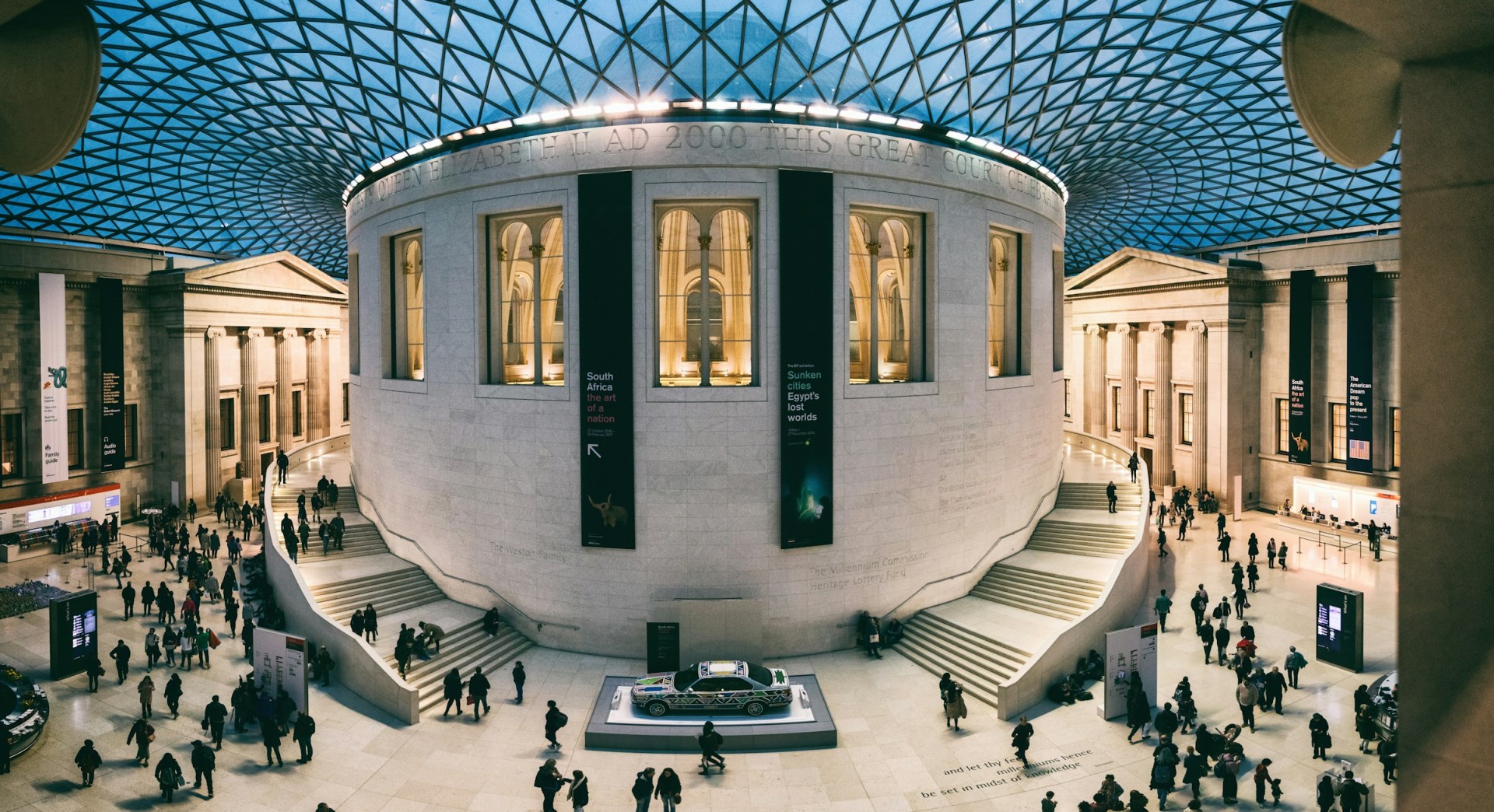



The British Museum in London is one of the world's major museums of human history and culture, with collections covering millions of objects from Africa, Asia, Europe, the Americas, and the ancient Mediterranean and Middle East. Its galleries include the Rosetta Stone, Parthenon sculptures, Egyptian mummies, Assyrian reliefs, Greek and Roman antiquities, Islamic art, and objects from prehistoric Britain. The museum's Great Court, enclosed beneath a glass roof, surrounds the circular Reading Room and forms the central public space. The collections provide an extensive view of human societies, religious practices, artistic traditions, technologies, and everyday life across different cultures.
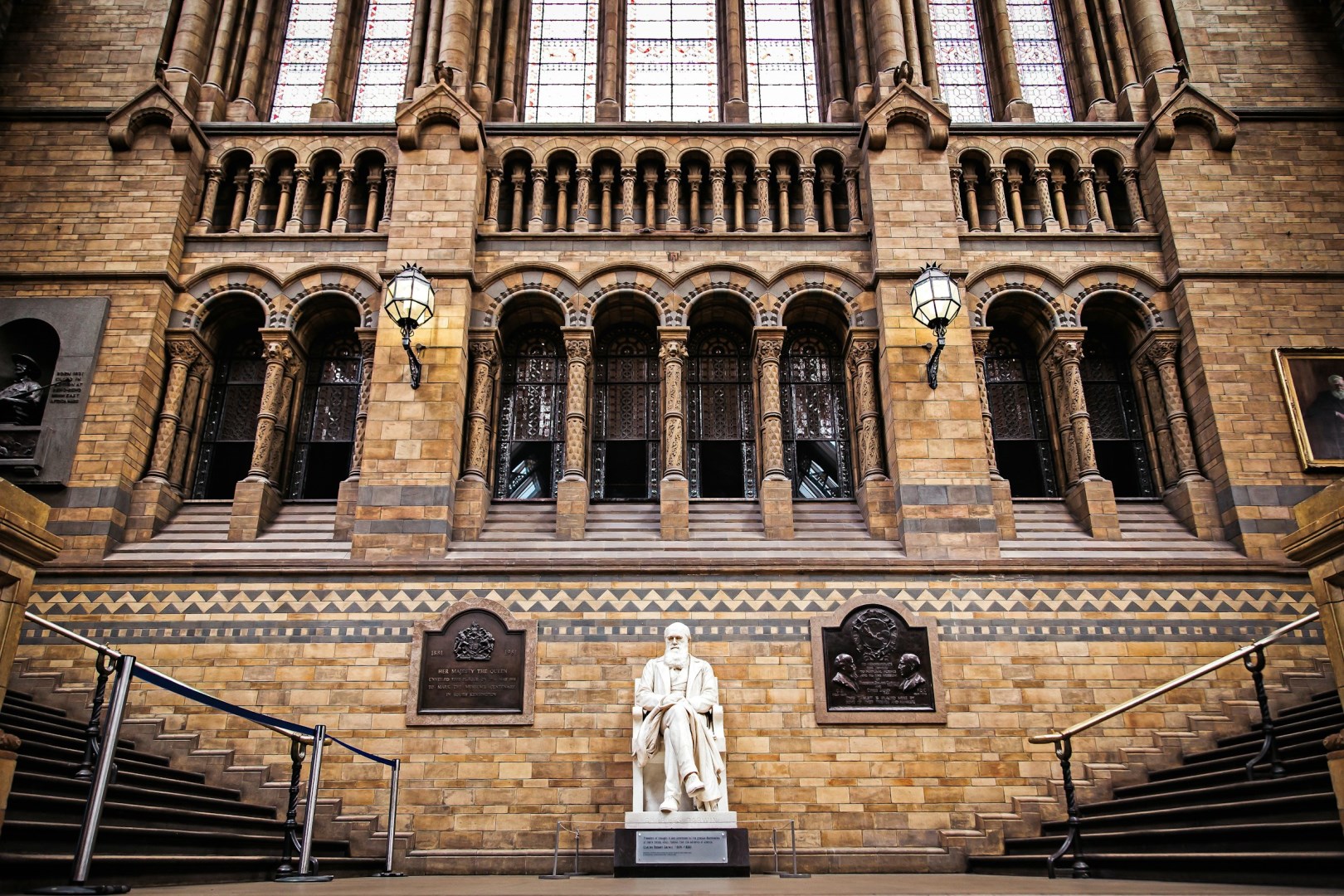
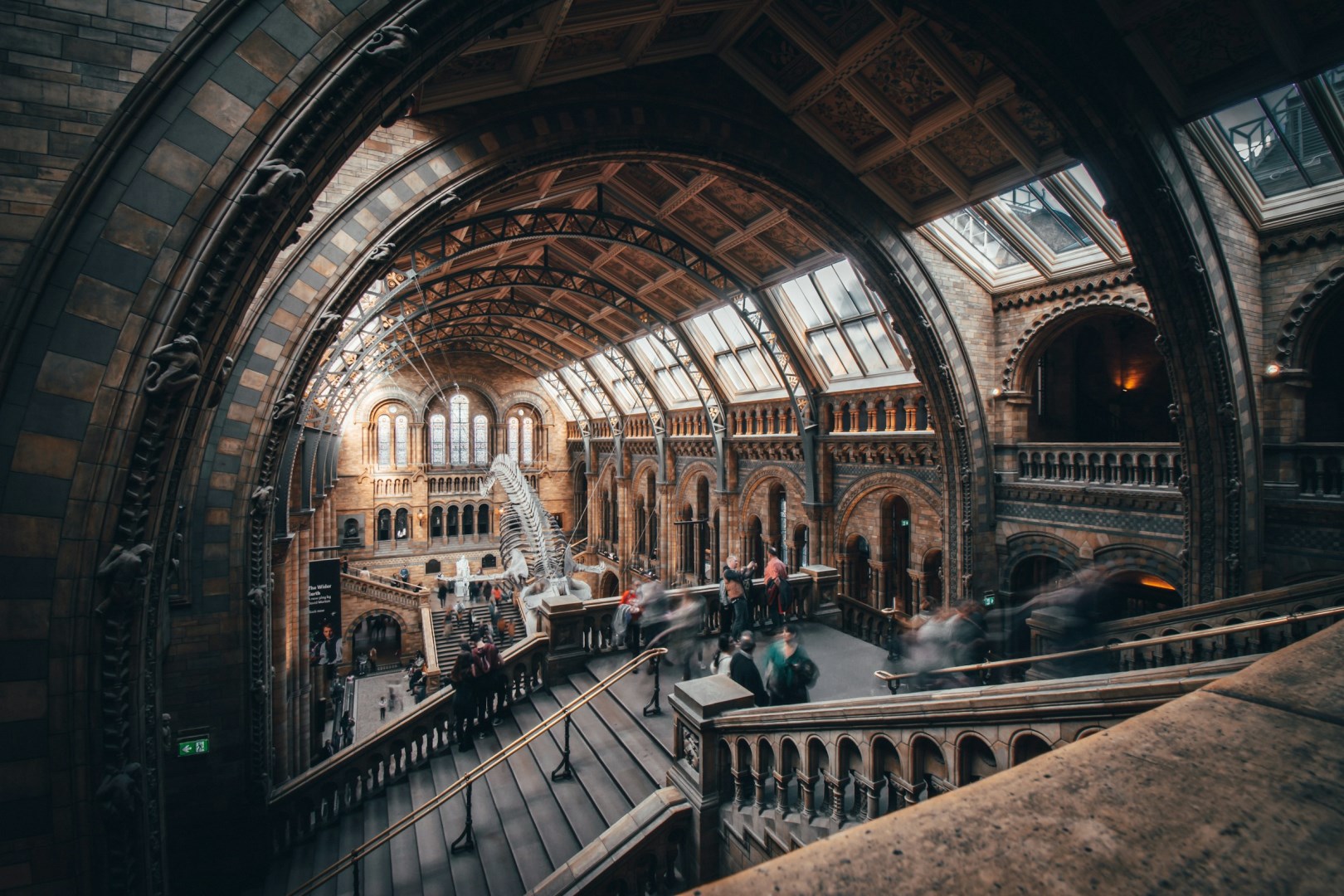
The Natural History Museum in London is a major scientific museum dedicated to understanding the natural world, with collections covering animals, plants, fossils, minerals, meteorites, and human evolution. Its Romanesque Revival building in South Kensington is known for its elaborate stonework and grand central hall, where a blue whale skeleton hangs above visitors. The museum's galleries explore subjects ranging from dinosaurs and volcanoes to ocean life and biodiversity, while its collections contain millions of specimens used for scientific research. Notable displays include dinosaur fossils, the Earth Hall, the Darwin Centre, and the large blue whale known as Hope.
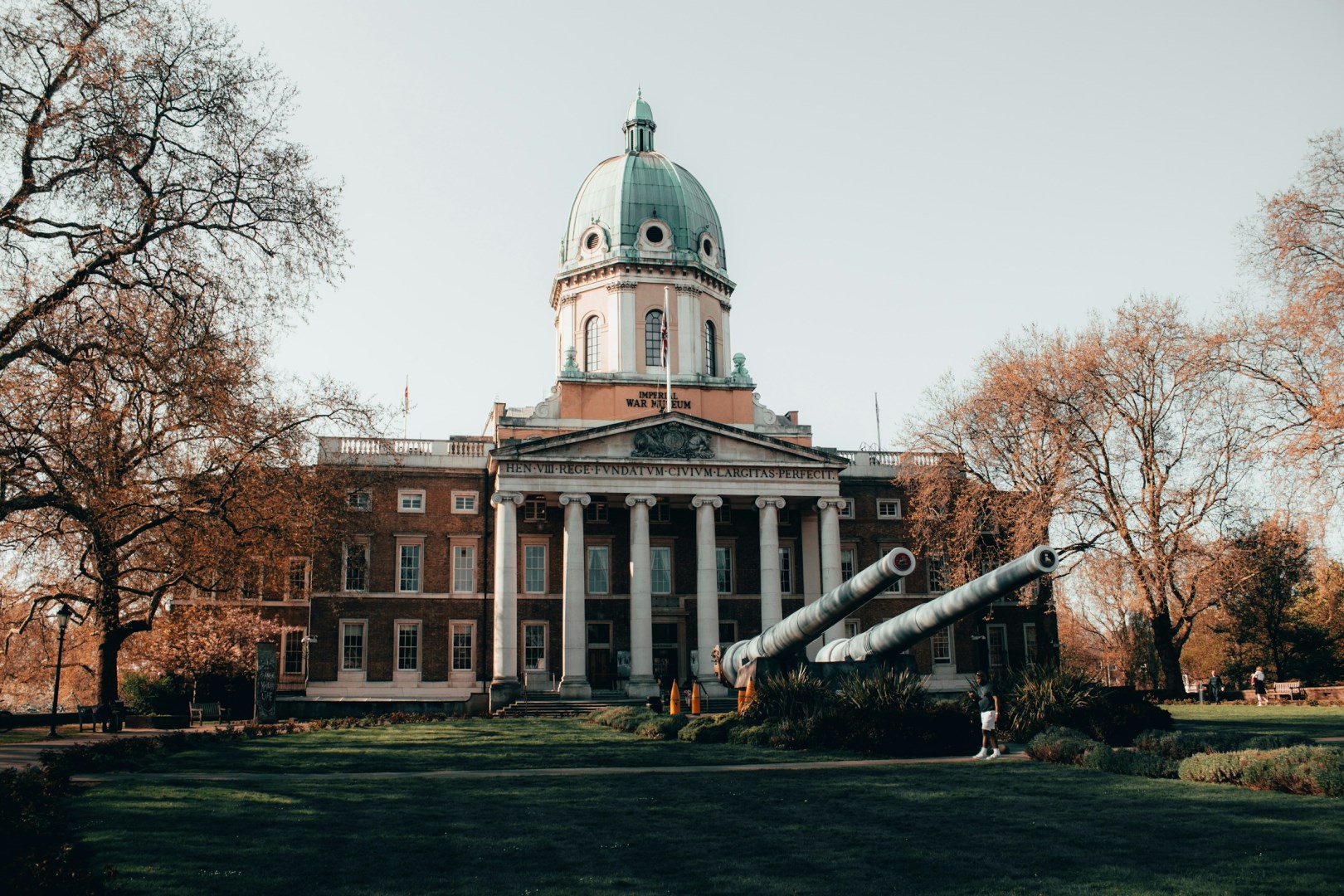
The Imperial War Museum London explores the human experience of modern conflict through objects, photographs, artworks, documents, and personal accounts. Located on Lambeth Road in South London, the museum’s galleries cover the First World War, Second World War, the Holocaust, and later conflicts, with displays examining both military operations and the effects of war on civilians. Large objects displayed in the central atrium include aircraft, armored vehicles, and artillery pieces, while the First World War Galleries and Second World War and The Holocaust Galleries provide more detailed historical context. The museum also holds extensive archives and collections used for research and exhibitions.
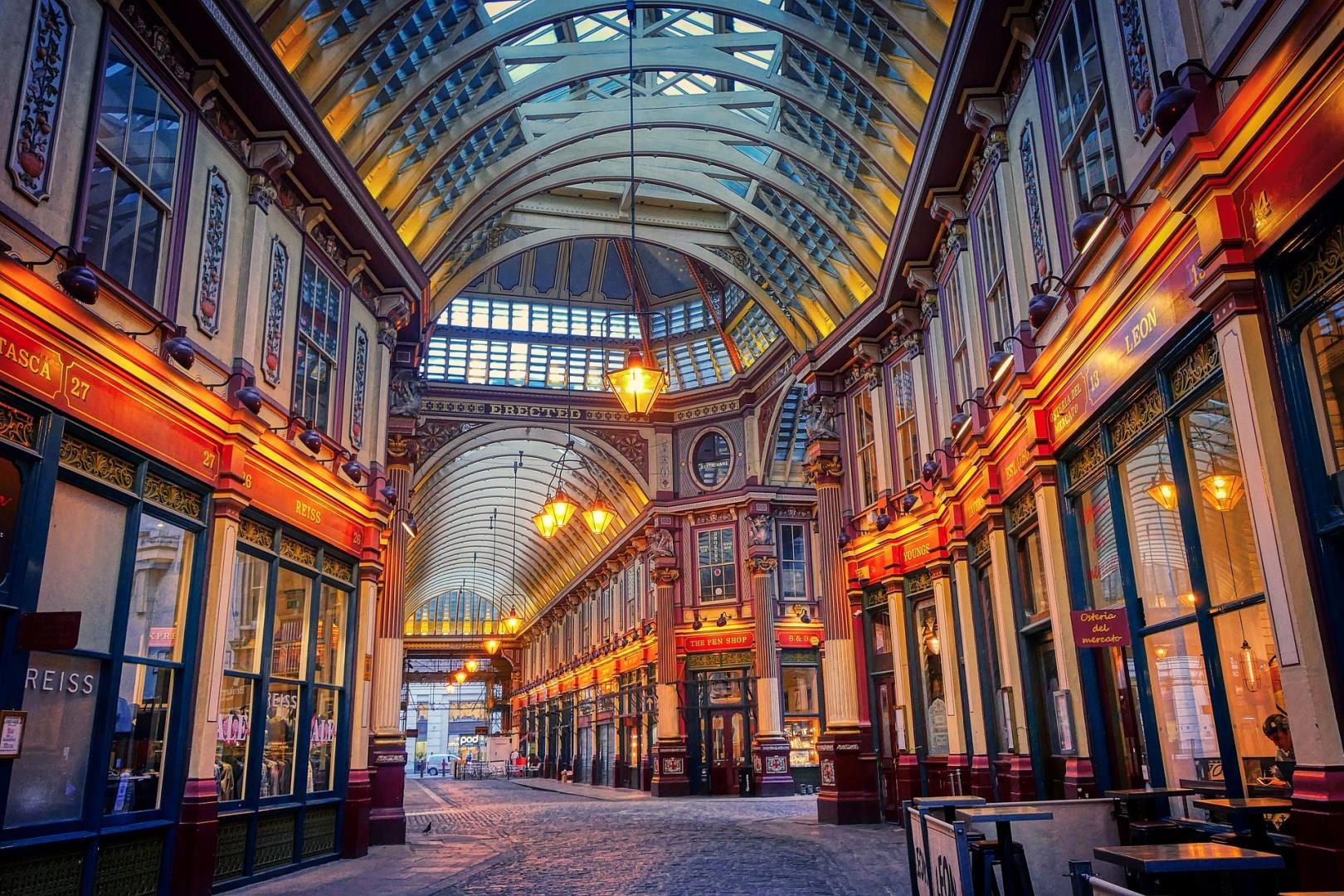
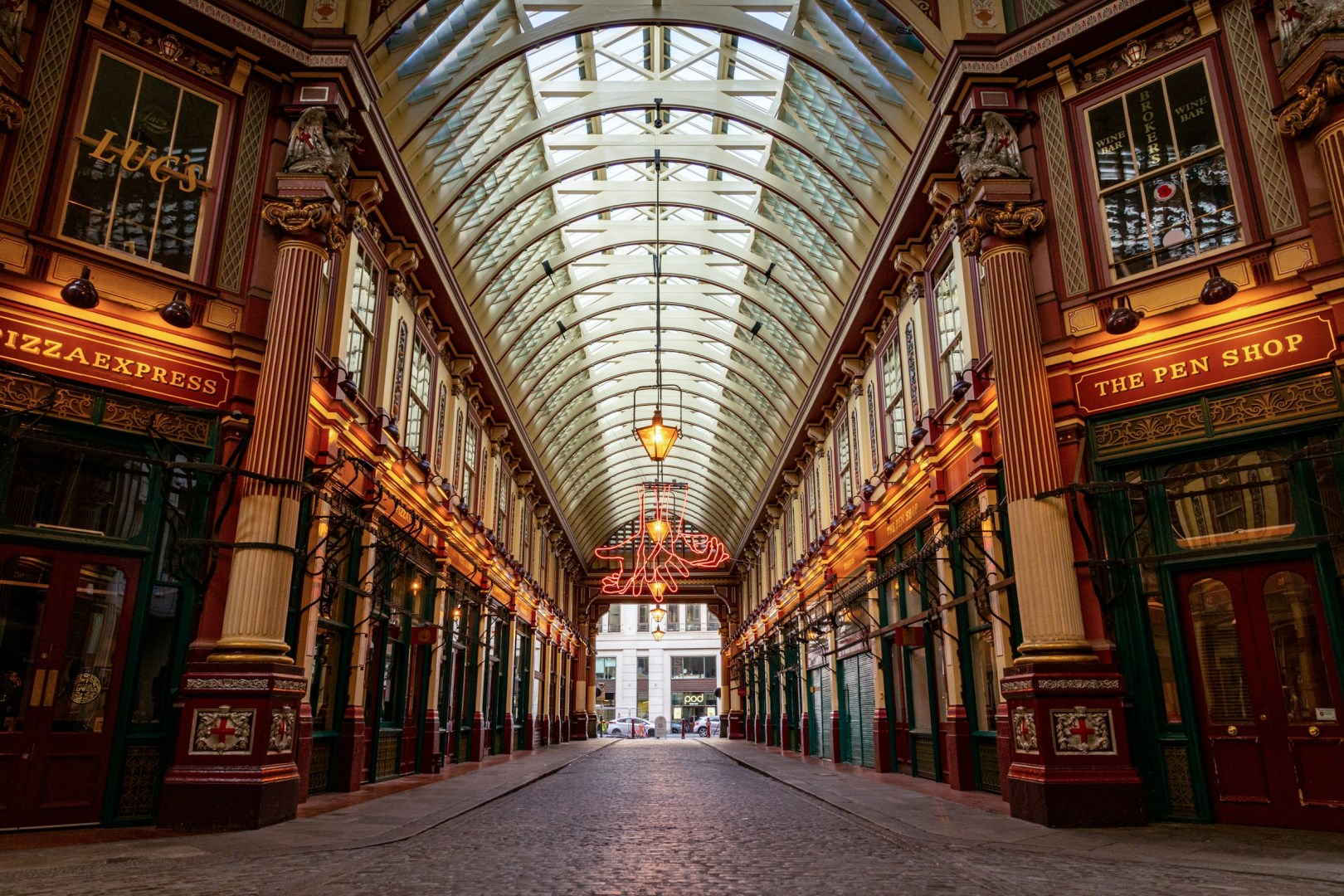
Leadenhall Market is a covered market in the City of London, distinguished by its ornate glass roof, painted façades, wrought-iron details, and cobbled walkways. A market has occupied the site for centuries, and the present arcade reflects the work of architect Sir Horace Jones. Its earlier trade included meat and poultry, while the market today contains restaurants, cafés, pubs, and specialist shops. Beneath the surrounding streets are archaeological remains associated with Roman Londinium, adding another layer to the site’s history. Leadenhall Market has also appeared in films, including Harry Potter and the Philosopher’s Stone, whose Diagon Alley scenes used the market’s distinctive setting.
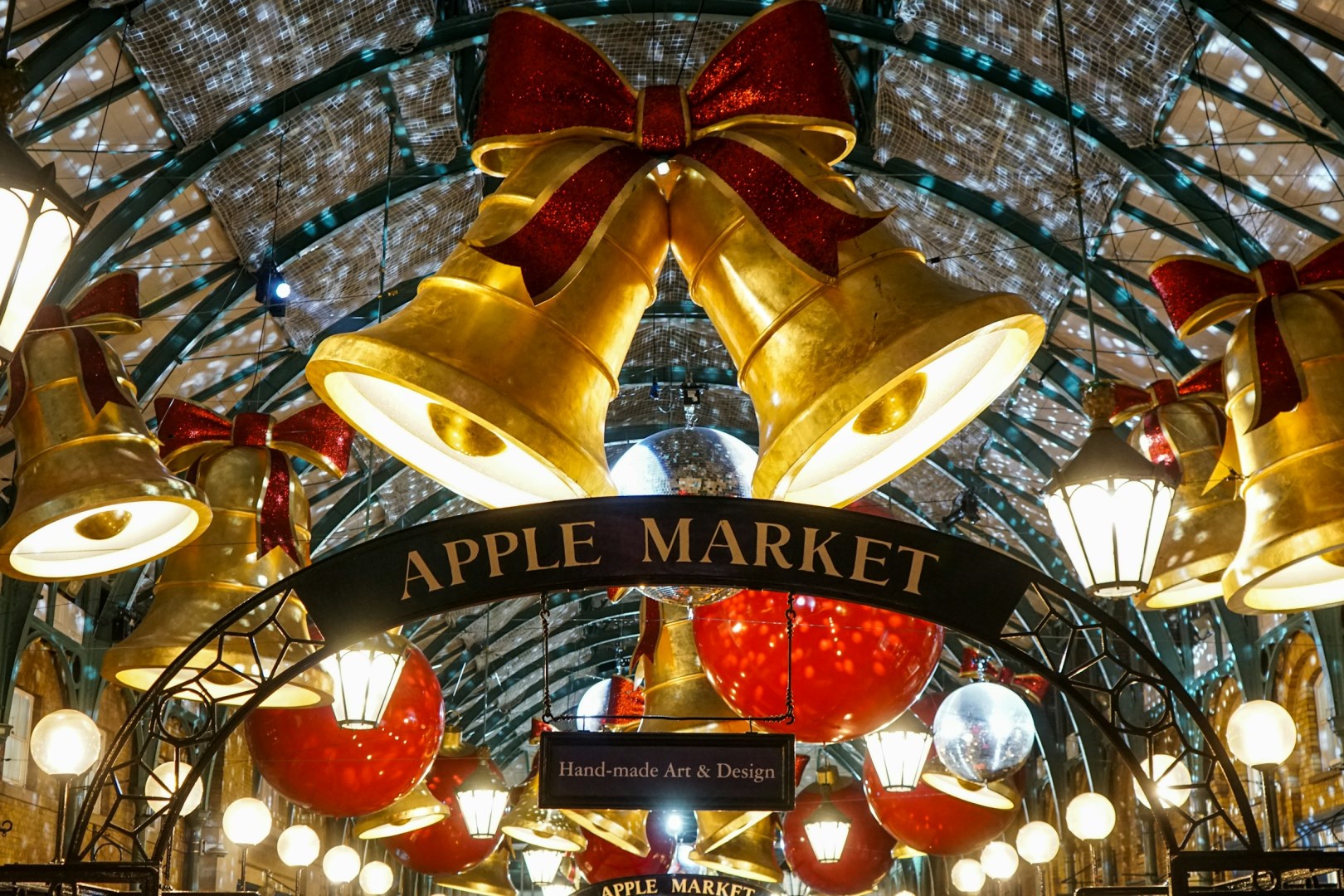
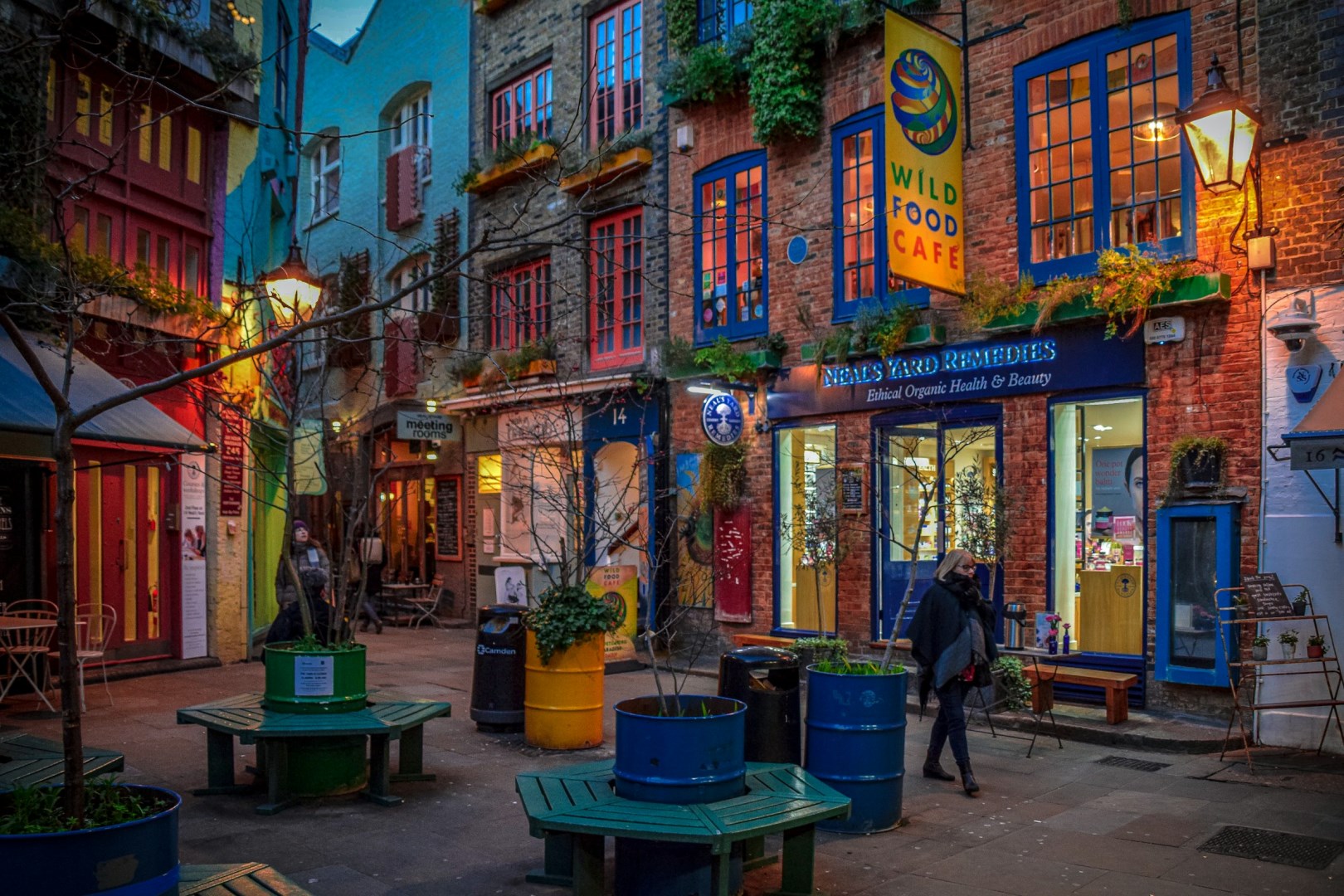
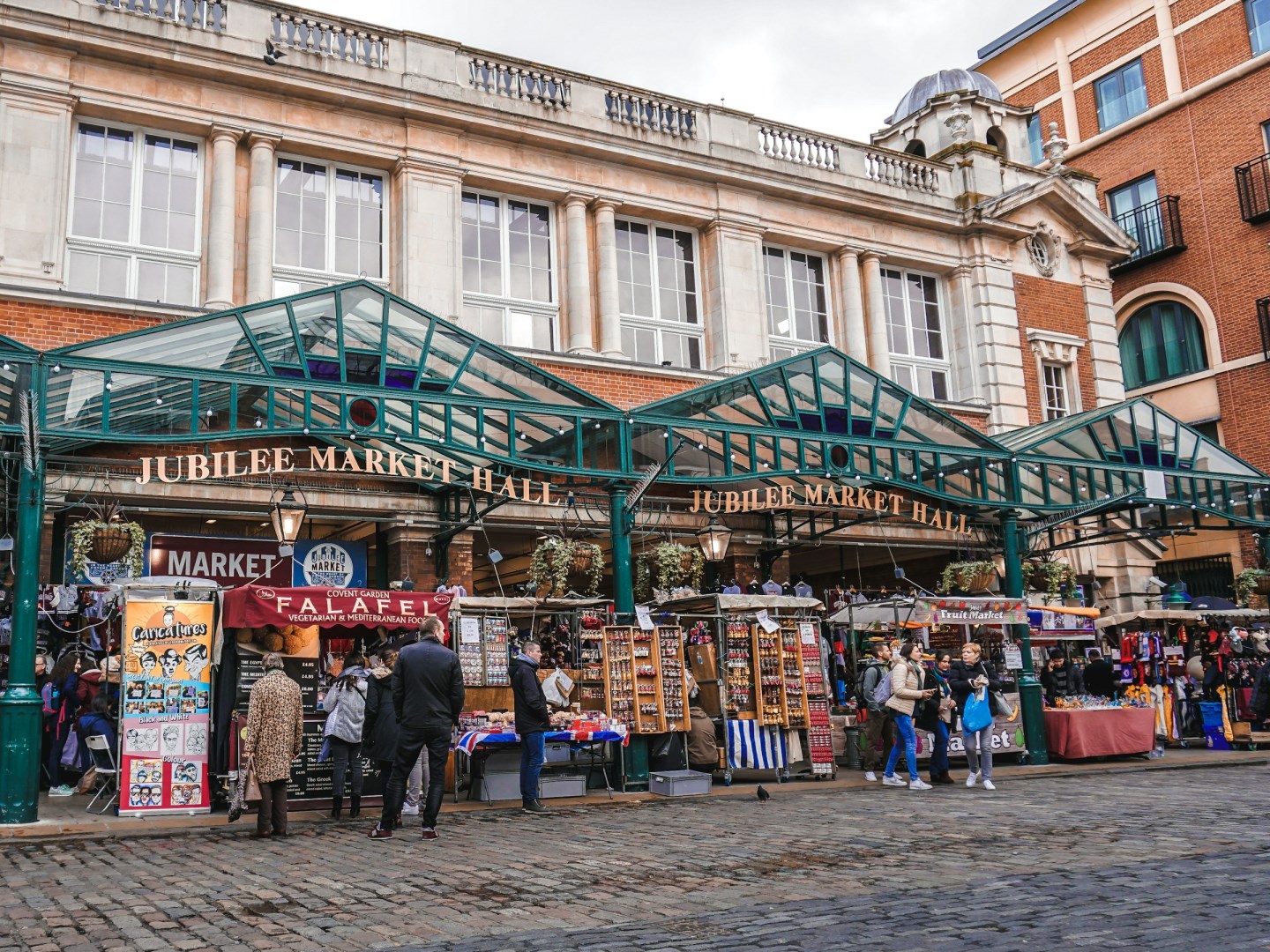
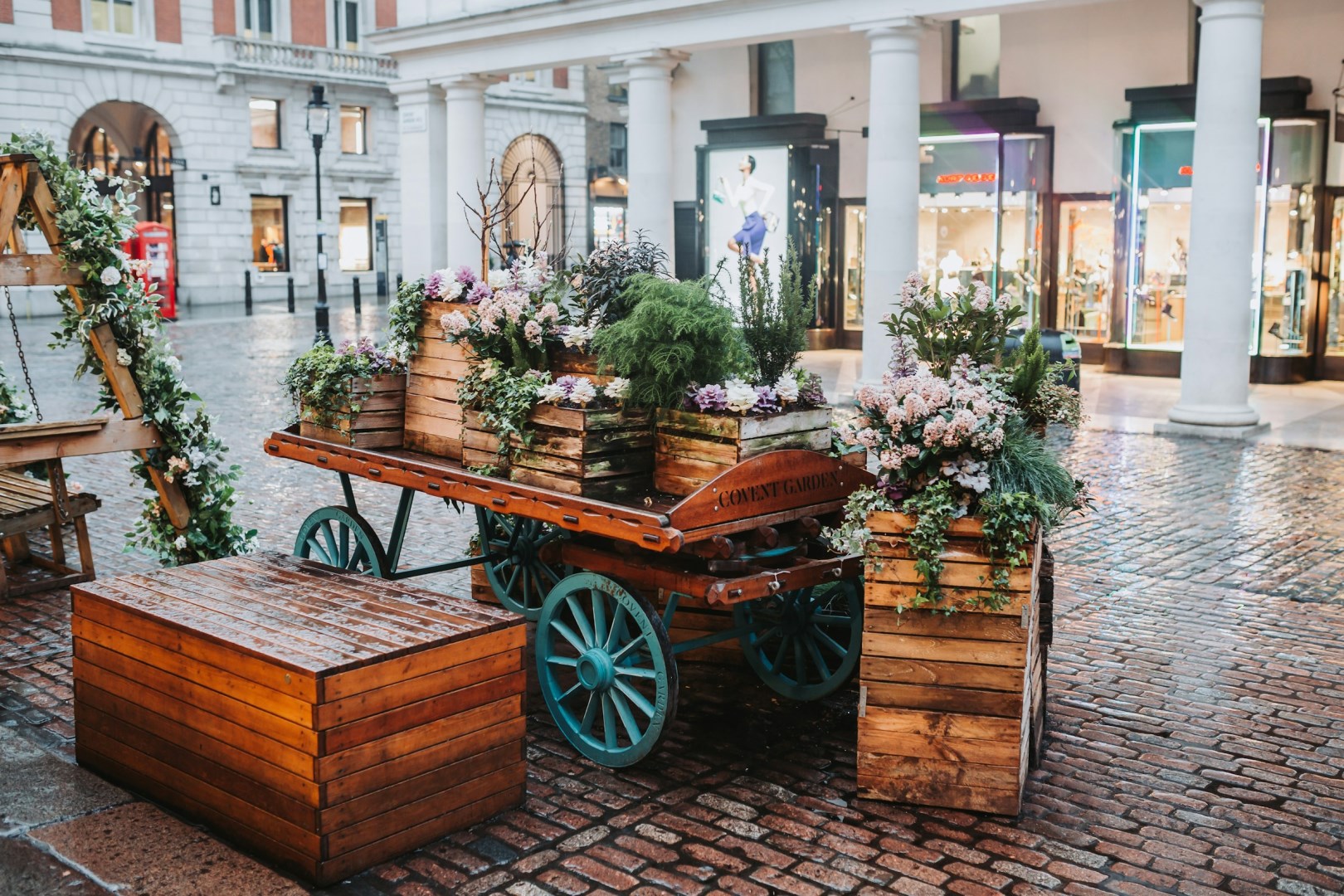
Covent Garden is a central London district known for its former fruit and vegetable market, historic Piazza, theatres, shops, and street performances. The covered Market Building remains the area’s architectural centerpiece, with restaurants, cafés, and independent retailers arranged around the square. Nearby, the Royal Opera House anchors London’s theatre scene, while the London Transport Museum traces the development of the city’s buses, trams, and Underground. The surrounding streets include Neal’s Yard, Seven Dials, and Long Acre, offering a mix of small shops, restaurants, and historic buildings. Covent Garden’s connection with the performing arts is especially visible in the regular street entertainment around the Piazza.
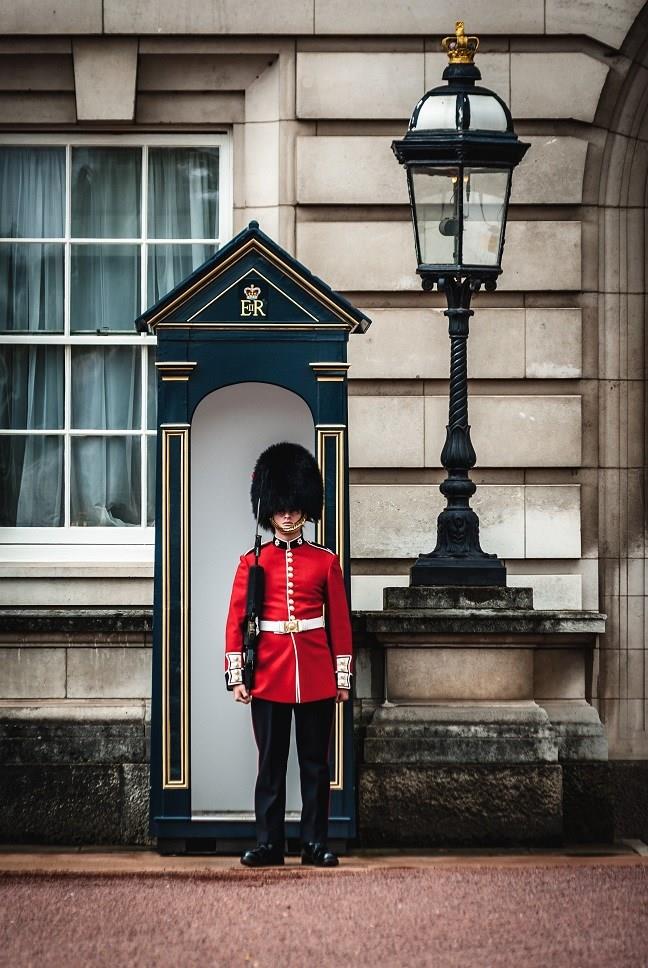
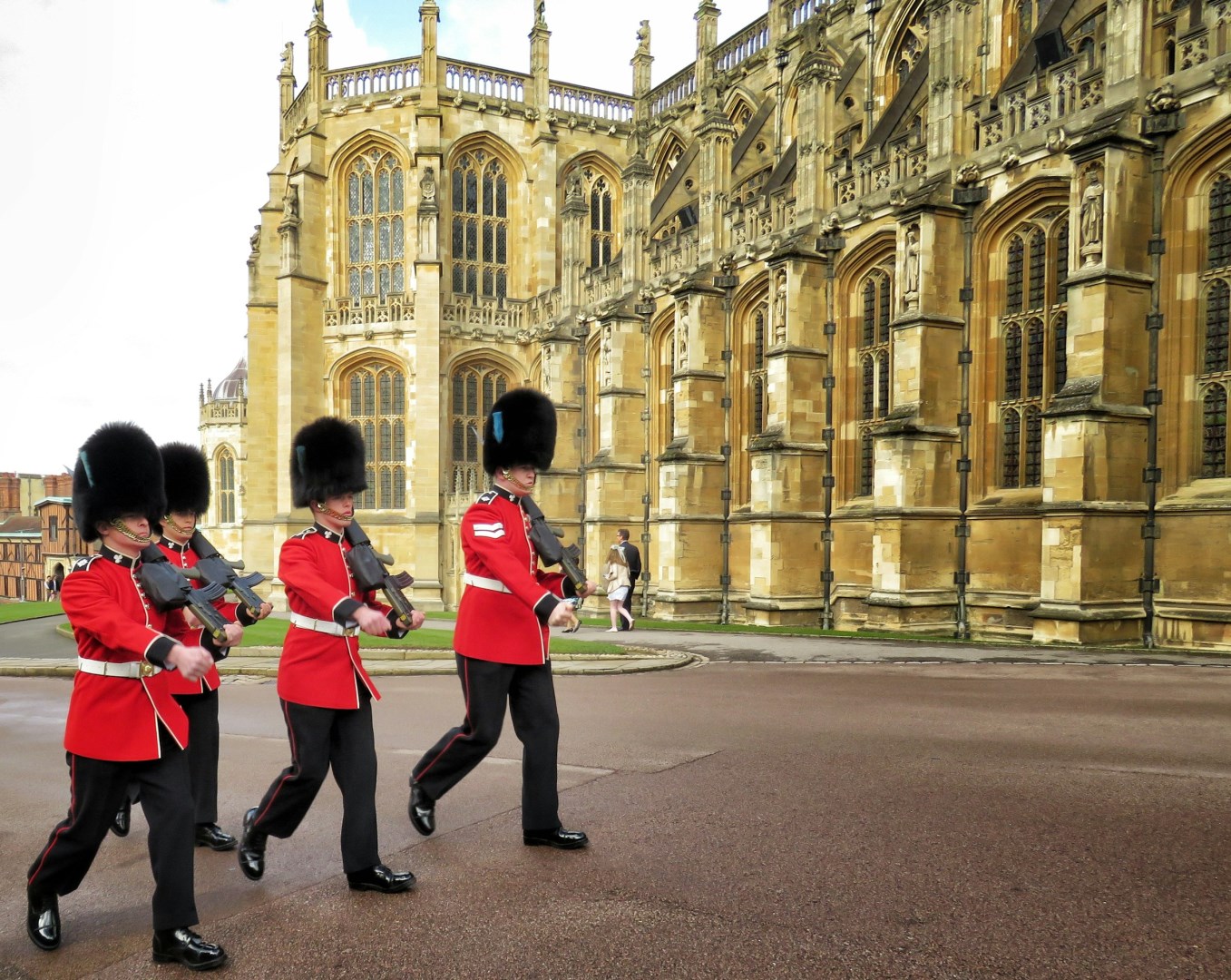
Windsor Castle is a royal residence in Windsor, west of London, and one of the best-known surviving castles in Britain. The complex combines medieval defensive architecture with later royal apartments, ceremonial rooms, and St George’s Chapel, where several monarchs and members of the royal family are buried. The State Apartments contain works from the Royal Collection, including paintings, furniture, and decorative objects, while the Semi-State Rooms are used for official occasions. Visitors can also see the Changing of the Guard and explore the castle grounds, which overlook Windsor and the surrounding Thames Valley. The castle remains a working royal residence as well as a major historic site.
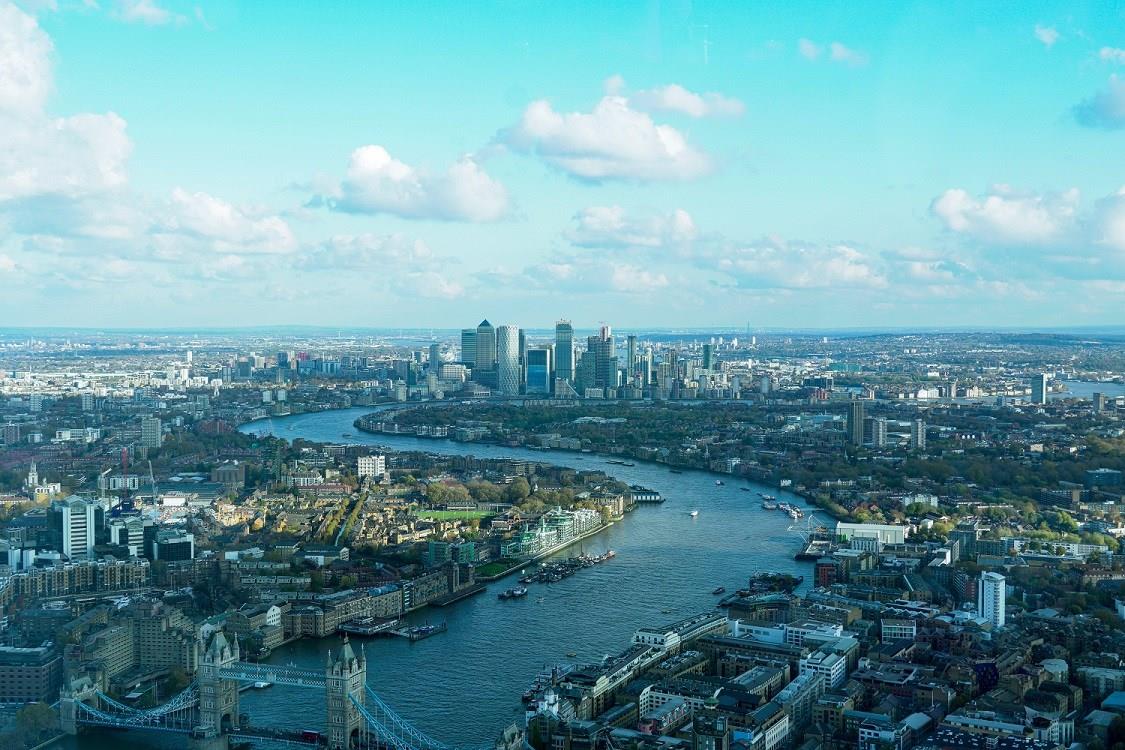
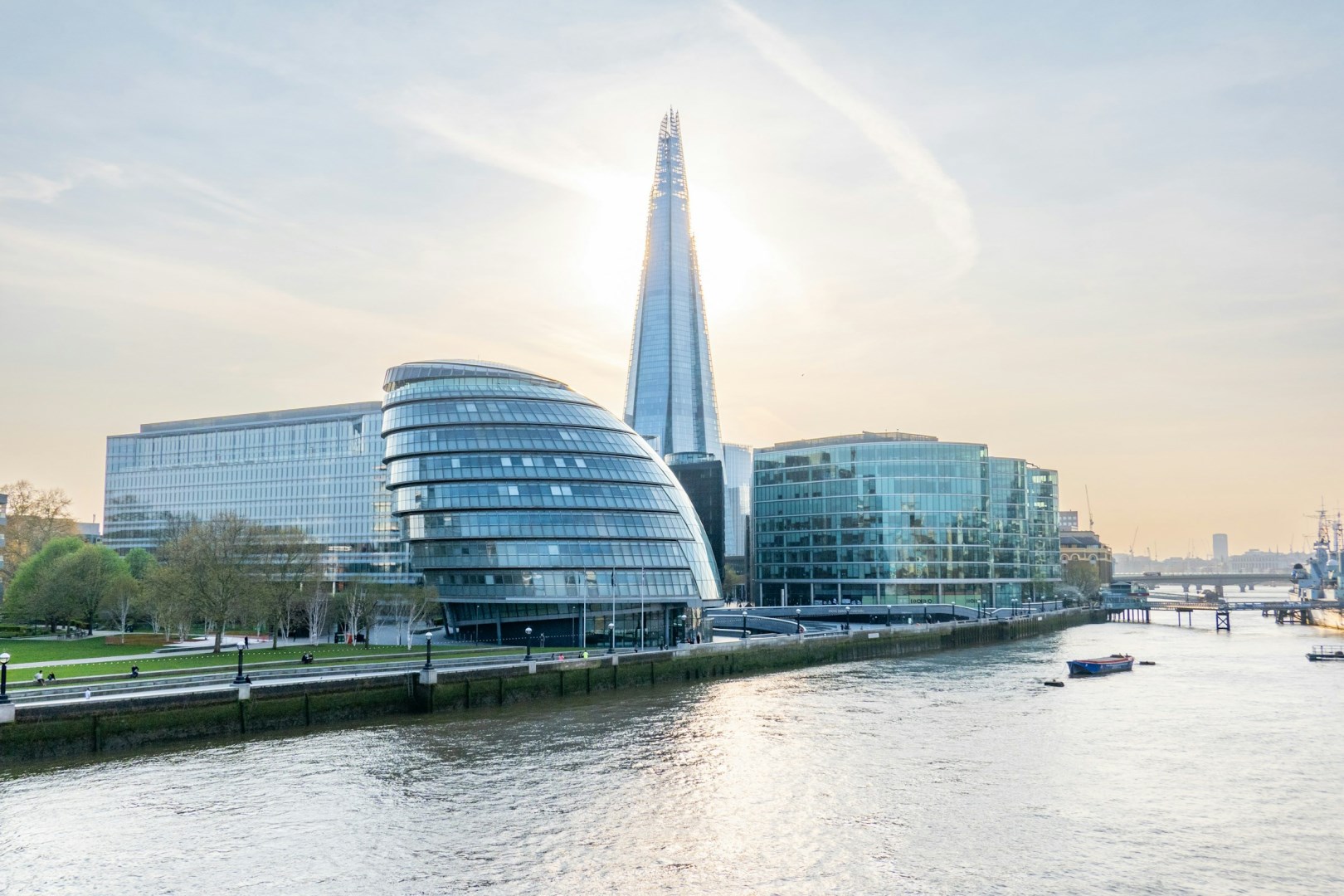
The Shard is a distinctive skyscraper near London Bridge, rising above the South Bank with its pointed glass form made up of angled panels that appear to taper into the sky. Designed by architect Renzo Piano, the building contains offices, restaurants, a hotel, residences, and public viewing spaces. The View from The Shard occupies the upper floors and provides wide views across London, including landmarks such as Tower Bridge, St Paul’s Cathedral, and the River Thames. Its lower levels connect directly with London Bridge station and the surrounding Borough Market area, making the tower part of a busy commercial and transport district.
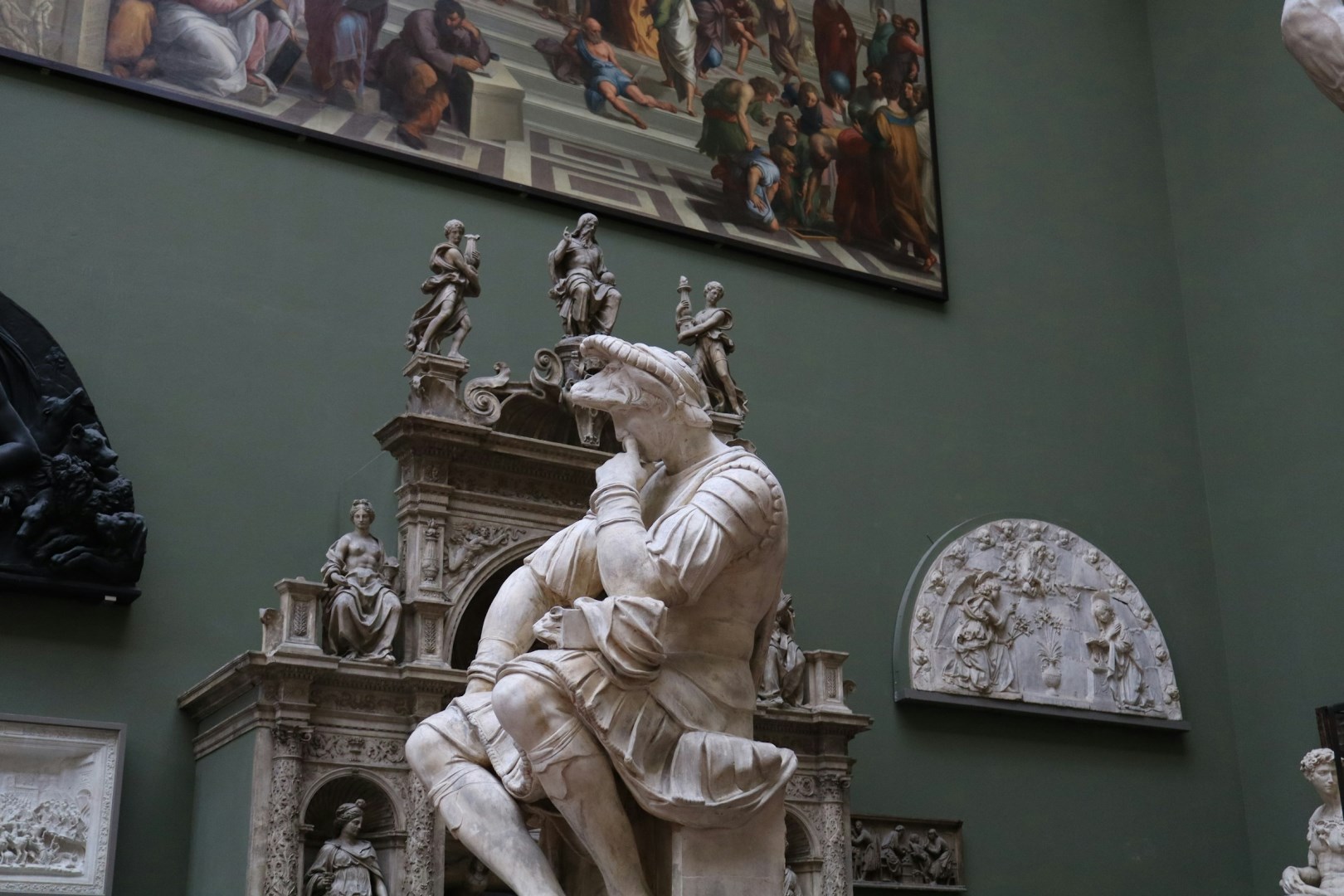
The Victoria and Albert Museum, commonly called the V&A, is a major museum of art, design, and decorative arts in London’s South Kensington. Its collections cover ceramics, fashion, furniture, jewelry, sculpture, textiles, photography, and graphic design, with objects from many regions and cultures. The museum’s galleries include the Cast Courts, where full-size plaster reproductions of major European sculptures are displayed, and the British Galleries, which trace the development of British design through a wide range of objects. The V&A also operates the Young V&A in Bethnal Green, while its main building regularly hosts temporary exhibitions, performances, and design-focused displays.
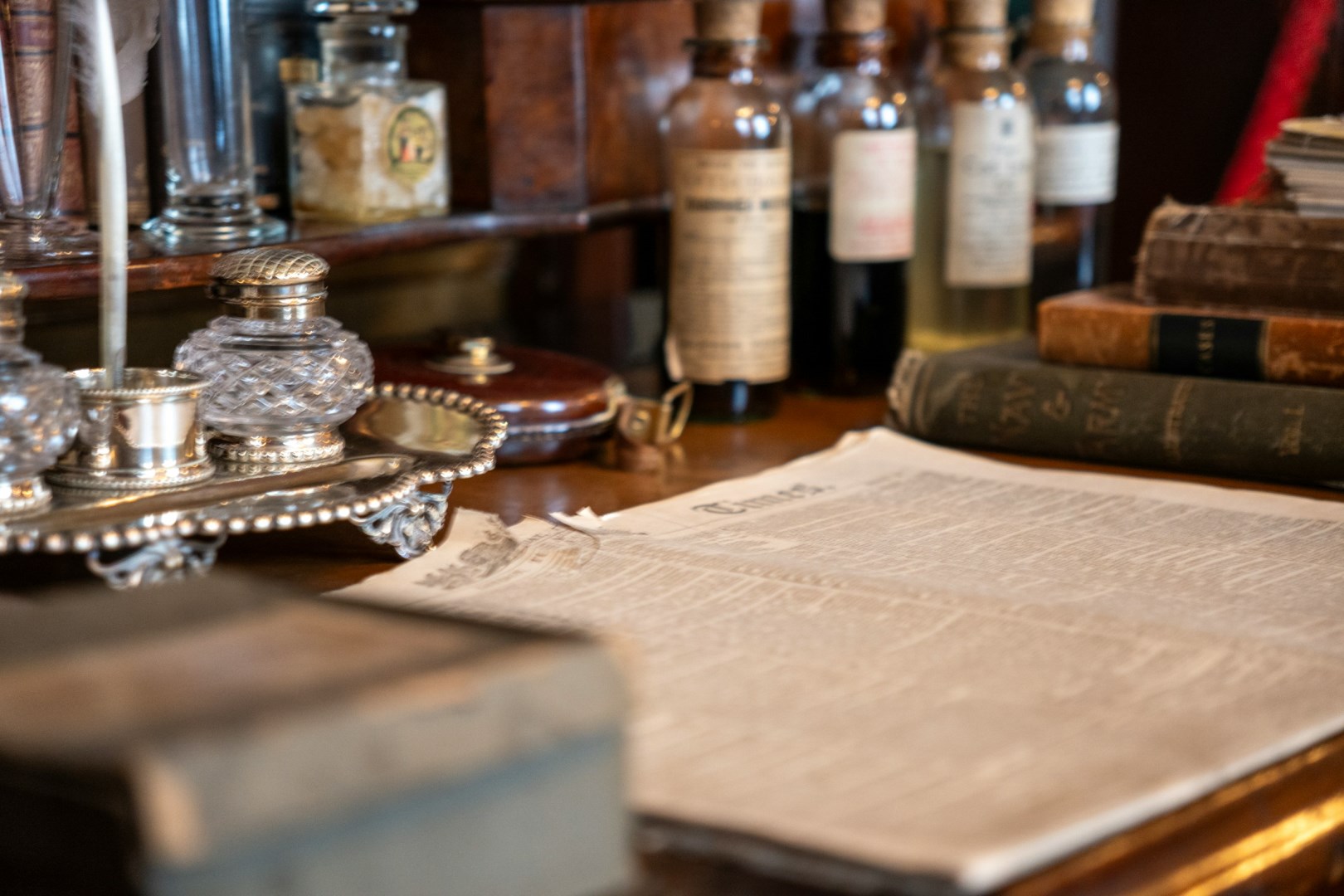
The Sherlock Holmes Museum occupies 221B Baker Street in London, the address associated with Sherlock Holmes in Arthur Conan Doyle’s stories. Set inside a Georgian townhouse, the museum recreates Holmes’s fictional sitting room and study on the first floor, along with Dr. Watson’s room and Mrs. Hudson’s quarters. The rooms contain Victorian-style furnishings, manuscripts, scientific instruments, and objects inspired by characters and cases from the stories. Wax figures portray Holmes and other figures from the series, while the museum’s shop sells books, souvenirs, and themed items. Although Holmes is fictional, the museum presents Baker Street as a setting closely connected with the literary detective and his world.


.png)
.png)
.png)
.png)
.png)


